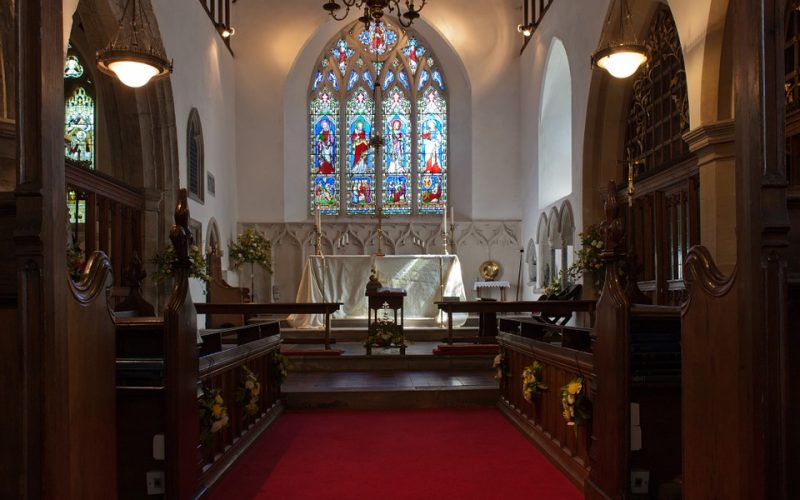
The Modern Anglican Church
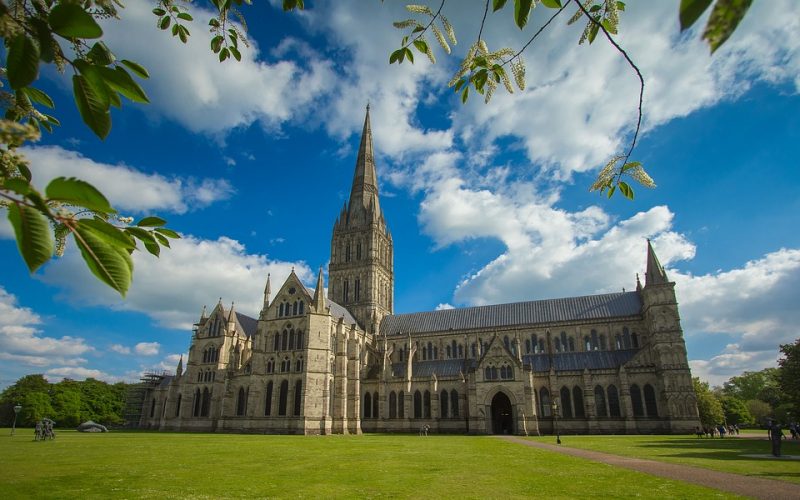
The Anglican Church, formally known as the Church of England, traces its origins to the 16th century when King Henry VIII broke from the Roman Catholic Church. His desire to annul his marriage to Catherine of Aragon — a request the Pope refused — led to the establishment of a separate church with the English monarch as its Supreme Governor. What began as a political dispute gradually evolved into a distinct theological tradition, blending Catholic heritage with Protestant reform.
What does the Anglican Church believe?
Anglicanism occupies a unique middle ground in Christianity, often described as a "via media" — a middle way between Catholicism and Protestantism. Anglicans hold the Bible as the ultimate authority in matters of faith, while also valuing ancient creeds, the sacraments, and apostolic tradition. This theological breadth has long been one of Anglicanism's defining characteristics, allowing a wide spectrum of beliefs to coexist within a single communion.
The global reach of Anglicanism today
The Anglican Communion is one of the world's largest Christian bodies, with an estimated 85 million members across more than 165 countries. It comprises 42 independent regional churches, or "provinces", each with its own leadership whilst remaining in communion with the Archbishop of Canterbury. Though Canterbury remains a symbolic centre of unity, it holds no formal authority over the broader Communion — a distinction that has become increasingly significant in recent decades.
Contemporary challenges facing the church
The modern Anglican Church faces deep internal tensions, particularly over questions of sexuality and gender. The ordination of women to the priesthood and episcopate, same-sex blessings, and the full inclusion of LGBTQ+ clergy have divided provinces along cultural and theological lines. African churches, which represent a significant and growing portion of the global Communion, have largely opposed these developments, whilst many Western provinces have moved decisively towards inclusion. These disagreements came to a head at the 2016 Primates' Meeting, where the Episcopal Church of the United States was formally sanctioned for changing its marriage canons.
The role of the Archbishop of Canterbury
The Archbishop of Canterbury serves as the symbolic head and "first among equals" within the Anglican Communion. The current Archbishop, Justin Welby, announced his resignation in November 2024, citing his failure to act on abuse carried out by a prominent church volunteer. His departure marked a significant moment of reckoning for the institution, prompting wider reflection on governance, accountability, and the church's responsibilities to those in its care.
Anglicanism and social engagement
Despite internal divisions, the Anglican Church remains deeply engaged in social and humanitarian work. From running schools and food banks to advocating on issues of climate change, poverty, and migration, Anglican parishes play an active role in their communities. The Church of England alone operates over 4,700 schools, making it one of the largest providers of education in the country. This commitment to public service continues to shape how the church understands its mission in the modern world.
What lies ahead for the Anglican Church?
The Anglican Church stands at a crossroads. Declining attendance in Western nations, unresolved theological disputes, and questions of institutional credibility have placed considerable pressure on its future. At the same time, rapid growth in Africa, Asia, and Latin America points to a Communion whose centre of gravity is shifting. How Anglicanism navigates these competing pressures — balancing unity with diversity, tradition with reform — will define its character for generations to come.